
The Role of Structure in Creative Freedom
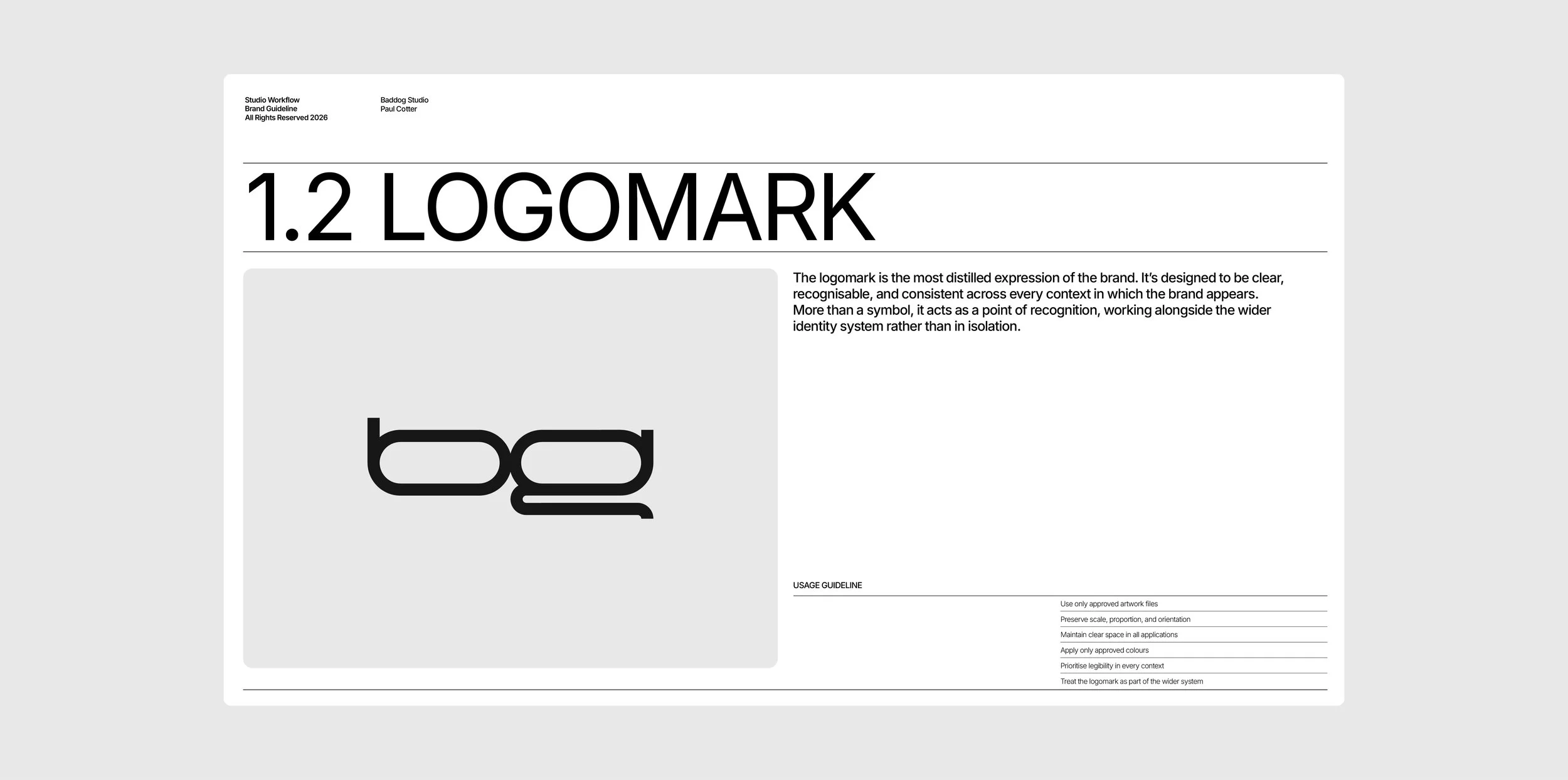
Structure isn’t the opposite of creativity. It’s the container for it.
Creative freedom doesn’t come from limitless choice. It comes from clear parameters that sharpen decisions and give ideas something to push against. In practice, the most original work rarely comes from “anything goes.” It comes from committing to a point of view and working within it.
Structure creates focus. It removes noise. When boundaries are clear, creative energy is spent exploring ideas, not questioning direction. This is why constraints often lead to more distinctive outcomes. They force clarity, reduce indecision, and turn taste into something deliberate rather than accidental.
In branding, structure is what transforms creativity from a moment into a system. It allows ideas to move beyond a single execution and become repeatable without becoming predictable.
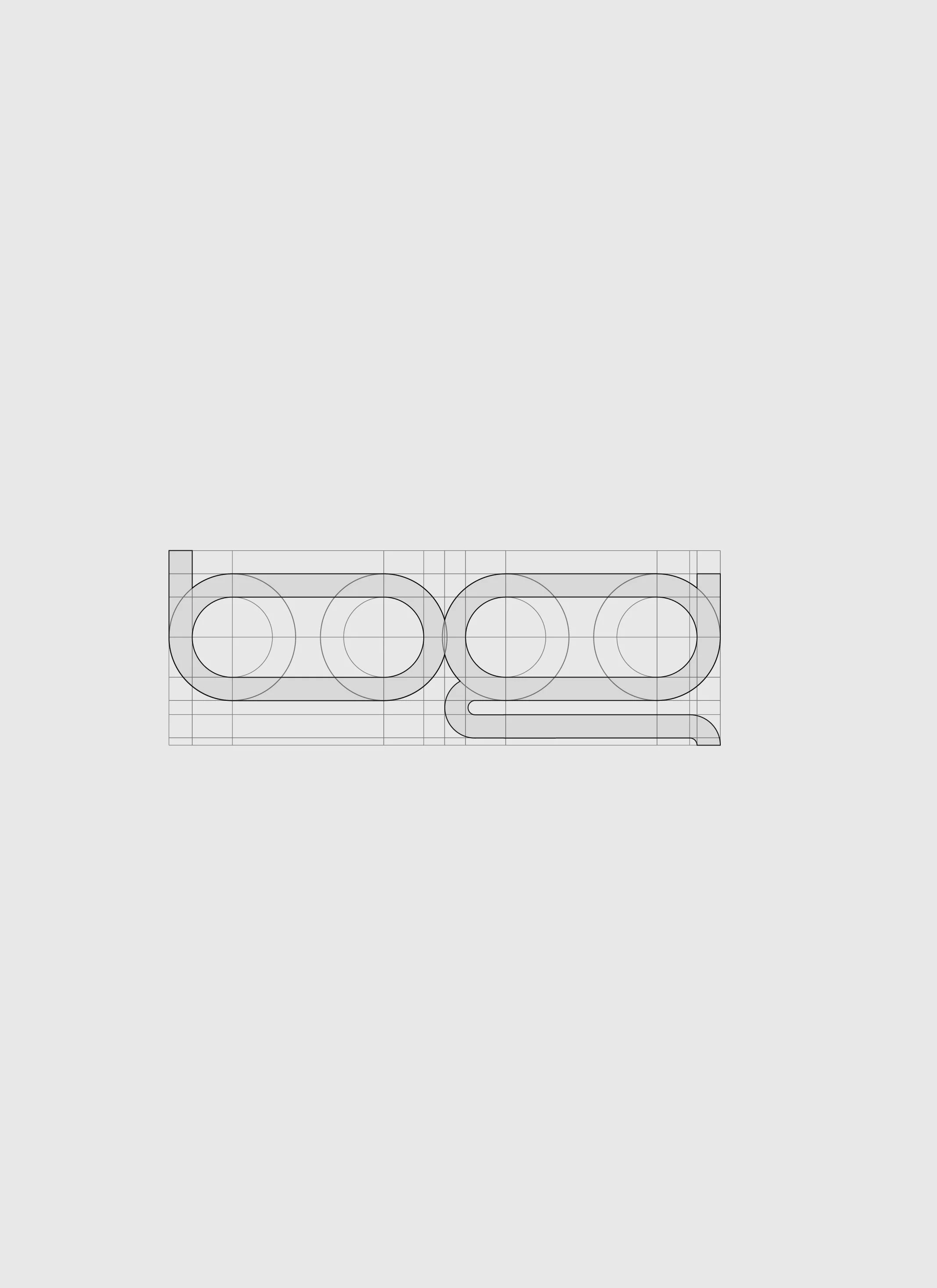
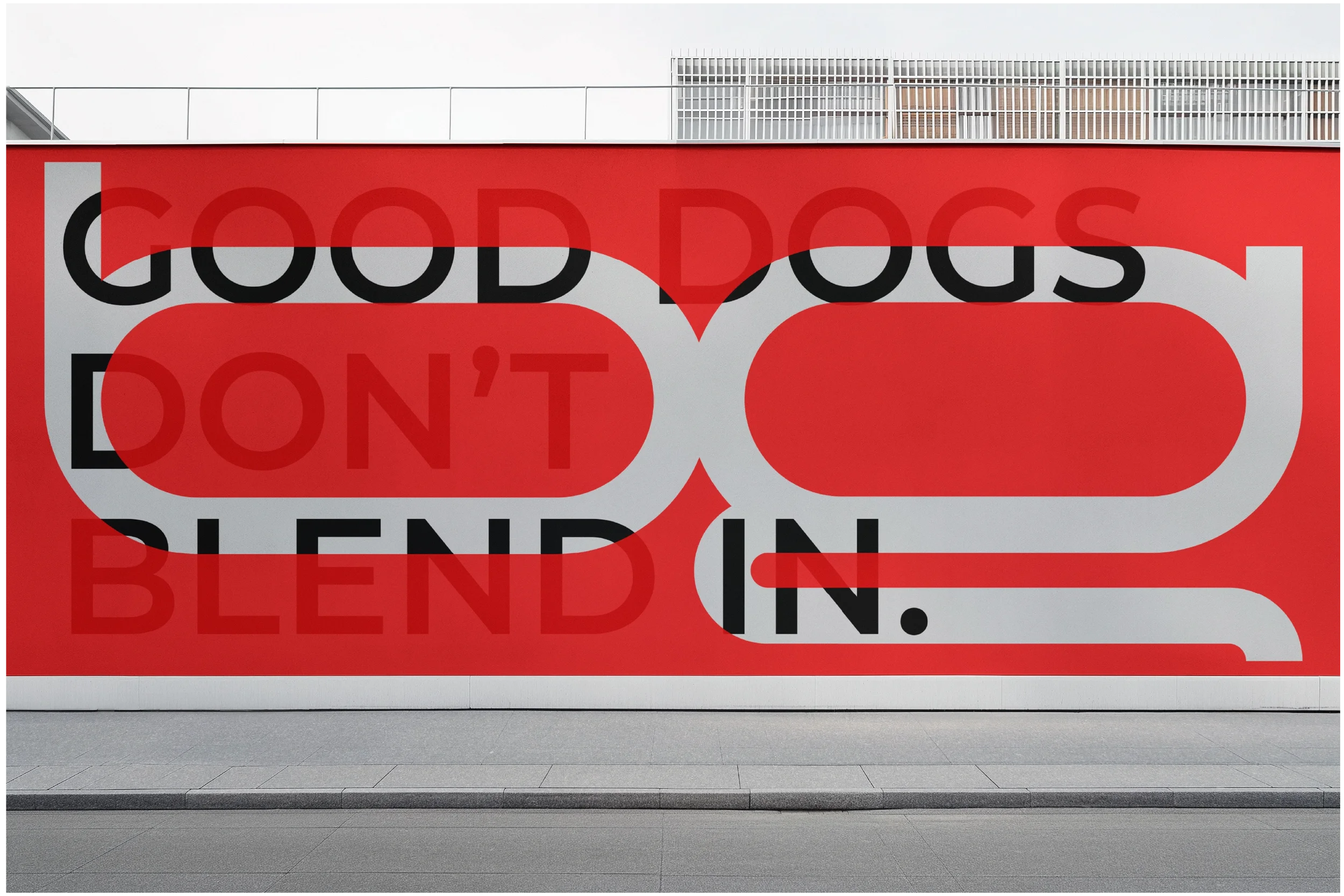
Systems protect the idea as it scales
As brands grow, creative work is made by more people, across more formats, and at greater speed. Without structure, identity begins to drift, not because the work is careless, but because there’s no shared logic holding it together. What started as a clear idea slowly becomes a series of interpretations.
A strong system creates creative freedom by protecting the core idea. It allows variation without dilution. Designers can explore, adapt, and evolve the work because the framework is doing the heavy lifting. The system doesn’t dictate outcomes, it defines the boundaries within which the brand can move confidently.
The goal isn’t control. It’s clarity. When structure is in place, creativity moves faster, decisions become easier, and the brand stays recognisable even as it changes. That’s the real role structure plays in creative freedom.
Structure Constraint Clarity System Consistency
