
The Difference Between Looking Professional and Being Recognisable
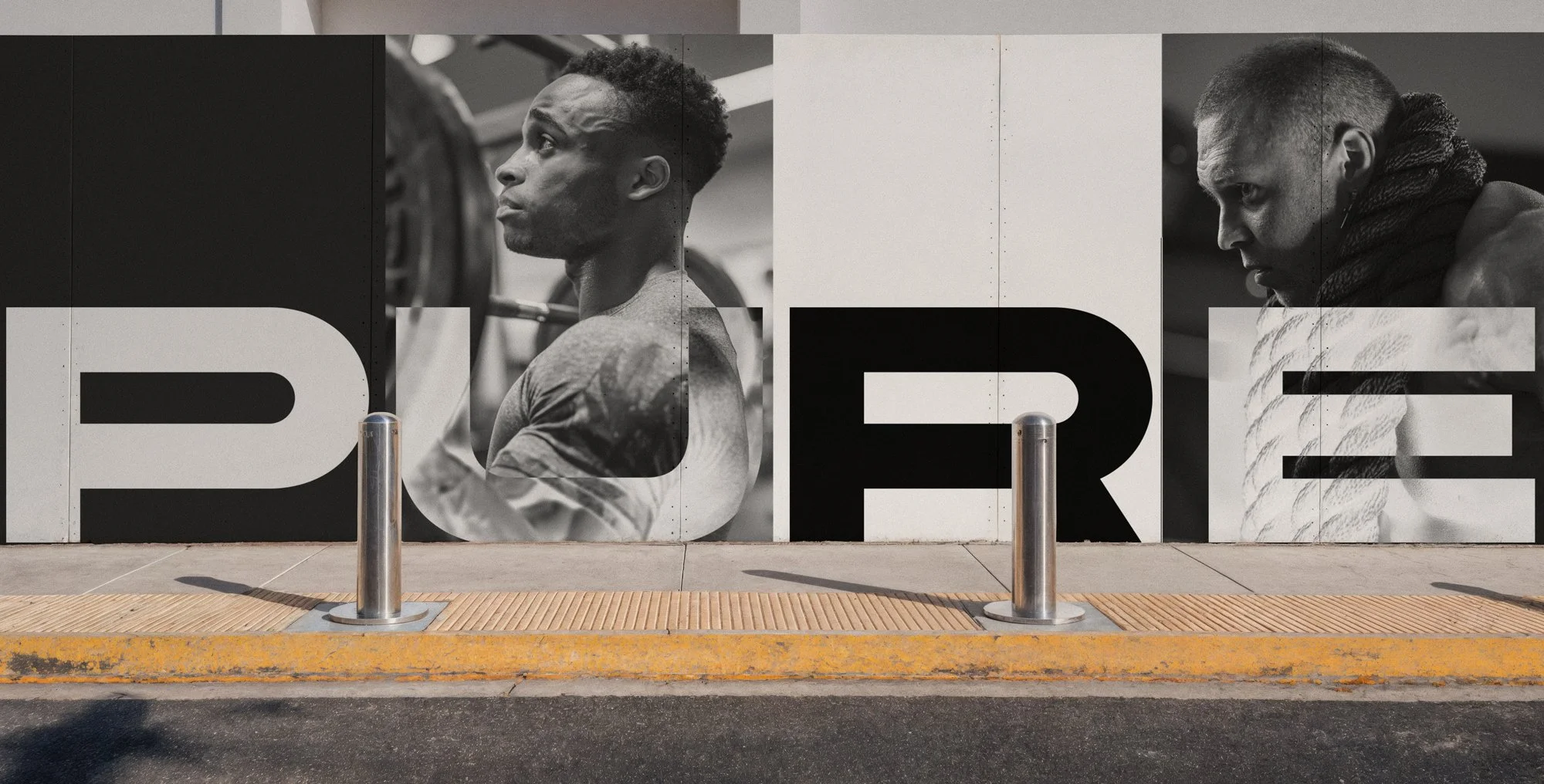
Professional is a baseline. Recognition is an advantage.
“Professional” is often where brands aim first. Clean typography. Balanced spacing. A mark that behaves. Nothing obviously wrong. And in fairness, that baseline matters—because brands that look inconsistent rarely get the time or trust to explain themselves.
But professional is also where many brands begin to blend together.
Professional design tends to follow shared conventions. It borrows the same signals of credibility, the same visual restraint, the same safe decisions. The result is something competent, but interchangeable. It looks right, yet leaves little behind in memory.
Recognition works differently. It isn’t about polishing a brand until it fits in. It’s about shaping a brand until it becomes specific. The studios people associate with distinctive identity work, Pentagram, Landor & Wolff Olins don’t chase “professional” as a style. They pursue clarity as a position. That’s what makes the output feel inevitable, not just well-made.
A professional brand earns a nod. A recognisable brand earns recall.

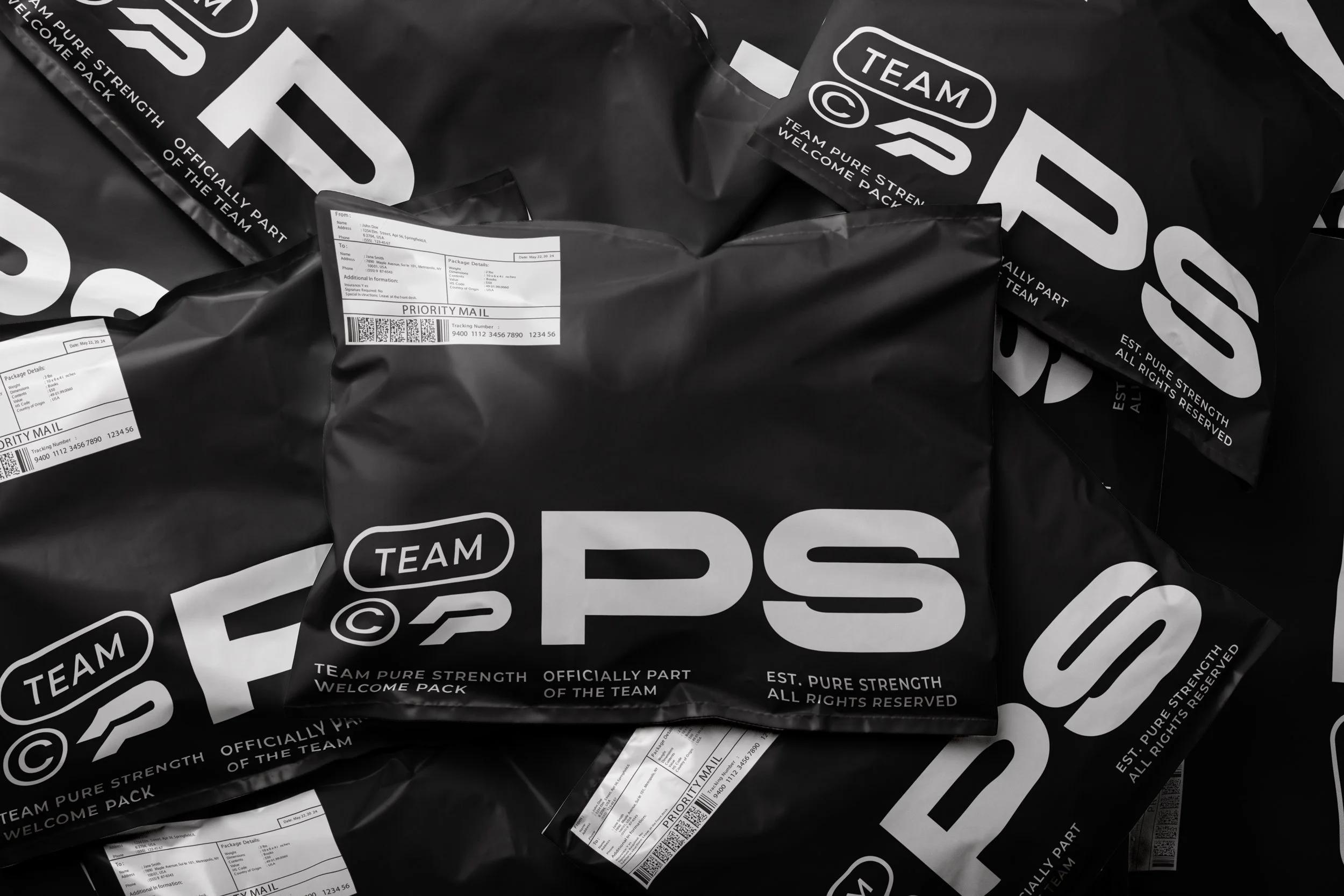
Recognition is built through systems, not surfaces
Most brands don’t fail because they look unprofessional. They stall because nothing holds them together. The logo works, but only in ideal conditions. The palette exists, but doesn’t behave consistently. The typography is chosen, but not structured. Over time, execution becomes taste-led, and taste varies. That’s how a brand starts to drift.
Recognisable brands are harder to distort because they’re built on a system. They have a repeatable logic, how they compose, how they speak, how they use type, how they create hierarchy, how they show up across formats. When that logic is clear, recognition becomes automatic. People can sense the brand before they see the logo.
This is the difference between looking credible once and being identifiable everywhere.
At Workflow, this is why identity is treated as structure, not decoration. Professionalism gets you in the door. Recognition is what keeps you there, because it’s what people remember, and what they can find again without trying.
Memory First Identity Logic Clarity Designed to Hold
