
Designing Brands That Survive the Real World
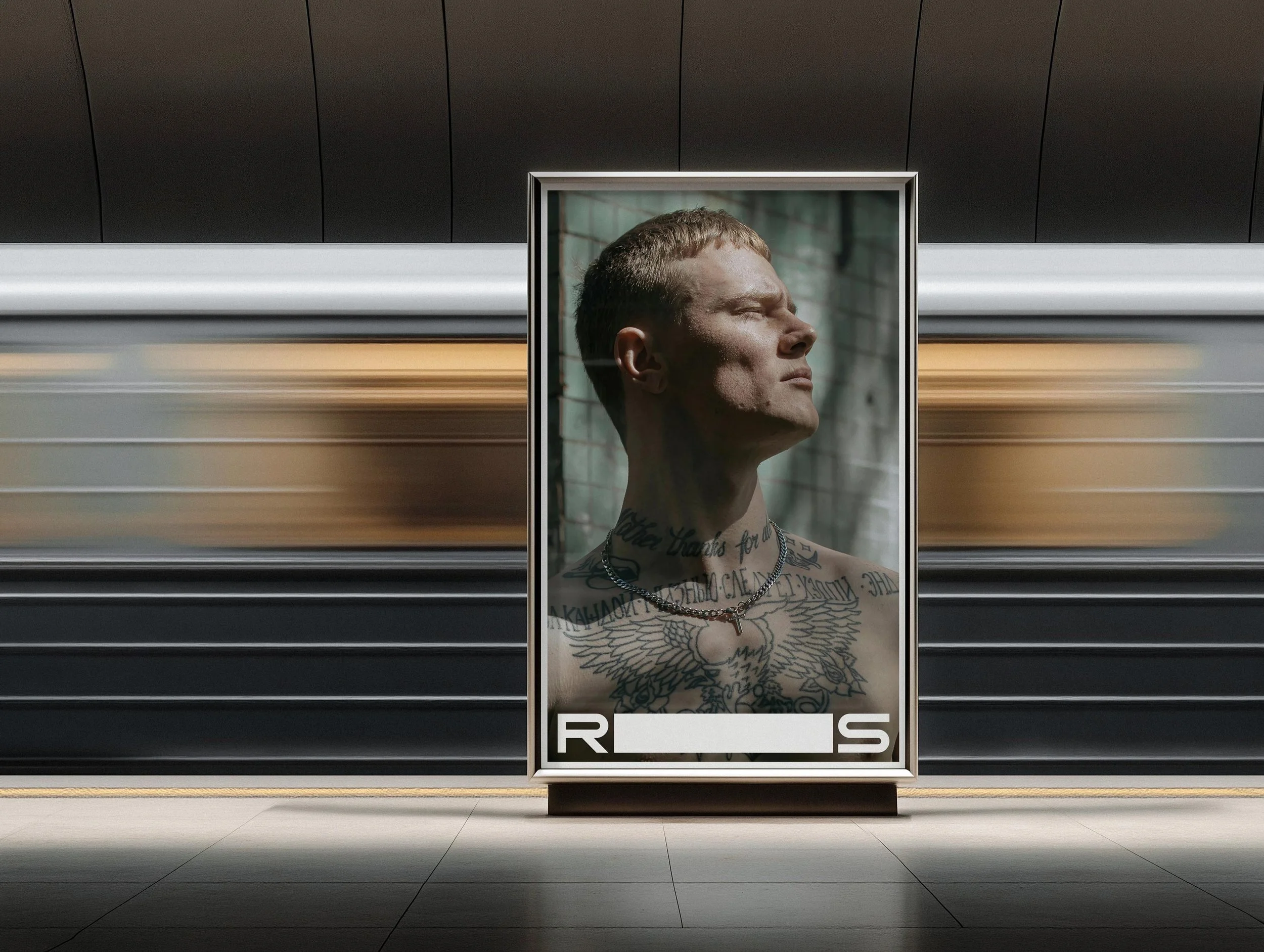
Real-World Brands Are Built for Friction, Not Perfection
The biggest mistake in branding today is designing for ideal conditions. Perfect spacing. Perfect lighting. Perfect context. None of that exists once a brand leaves the presentation.
Real-world brands operate inside friction, distraction, speed, noise, scale, and unpredictability. They’re seen quickly, partially, and often without intent. That means clarity isn’t optional, it’s necessary.
Designing for the real world requires ruthless prioritisation. One idea, clearly expressed. One message, instantly legible. One visual signal strong enough to register without explanation. When everything competes for attention, restraint becomes power.
This is why high-performing brands favour simplicity, contrast, and hierarchy over cleverness. Not because they lack personality, but because personality only works when it can be recognised. A brand that needs explanation will never scale. A brand that can be understood at a glance earns memory, trust, and recall.
The goal isn’t to impress designers. It’s to communicate under pressure.

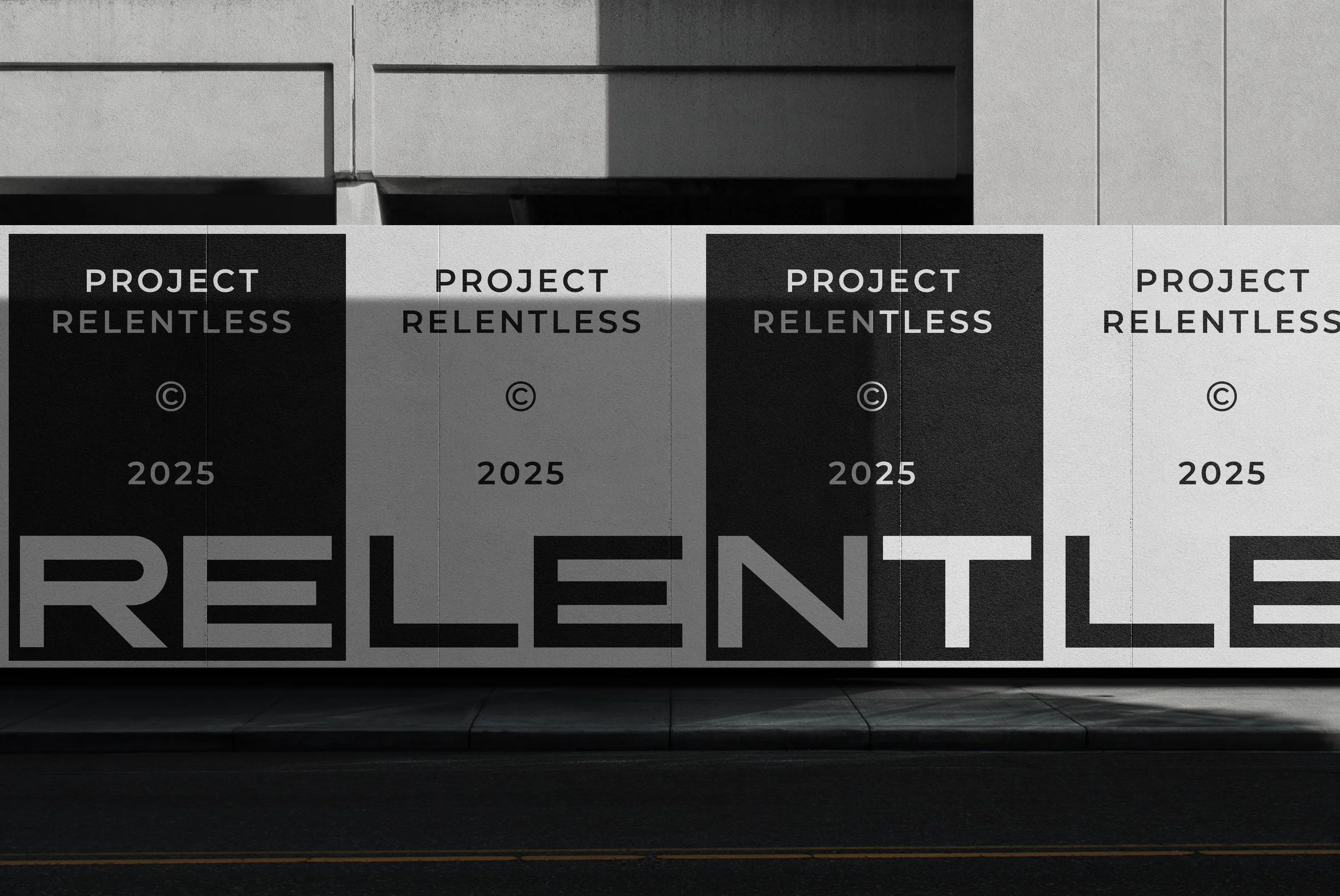
Systems Scale. Assets Don’t.
A brand that works in the real world is never a logo alone. It’s a system of decisions that stay consistent no matter where the brand appears. Too many identities rely on fixed layouts and perfect compositions. The moment they’re resized, cropped, or adapted, they fall apart. Real-world branding demands flexibility without losing character.
Strong brand systems define rules, not outcomes. Typography behaves predictably across sizes. Layouts adapt without losing hierarchy. Logos respond to context instead of fighting it. Every element is designed to work independently and together.
This approach allows brands to grow without dilution. New applications feel familiar. New content still feels on-brand. Consistency isn’t enforced manually, it’s built into the structure.
The most effective brands aren’t the most decorated. They’re the most repeatable. They don’t rely on constant supervision. They function confidently in the hands of teams, partners, and platforms that didn’t exist when the brand was launched. That’s what makes a brand
real-world ready, not how it looks on day one, but how it performs on day one hundred.
