
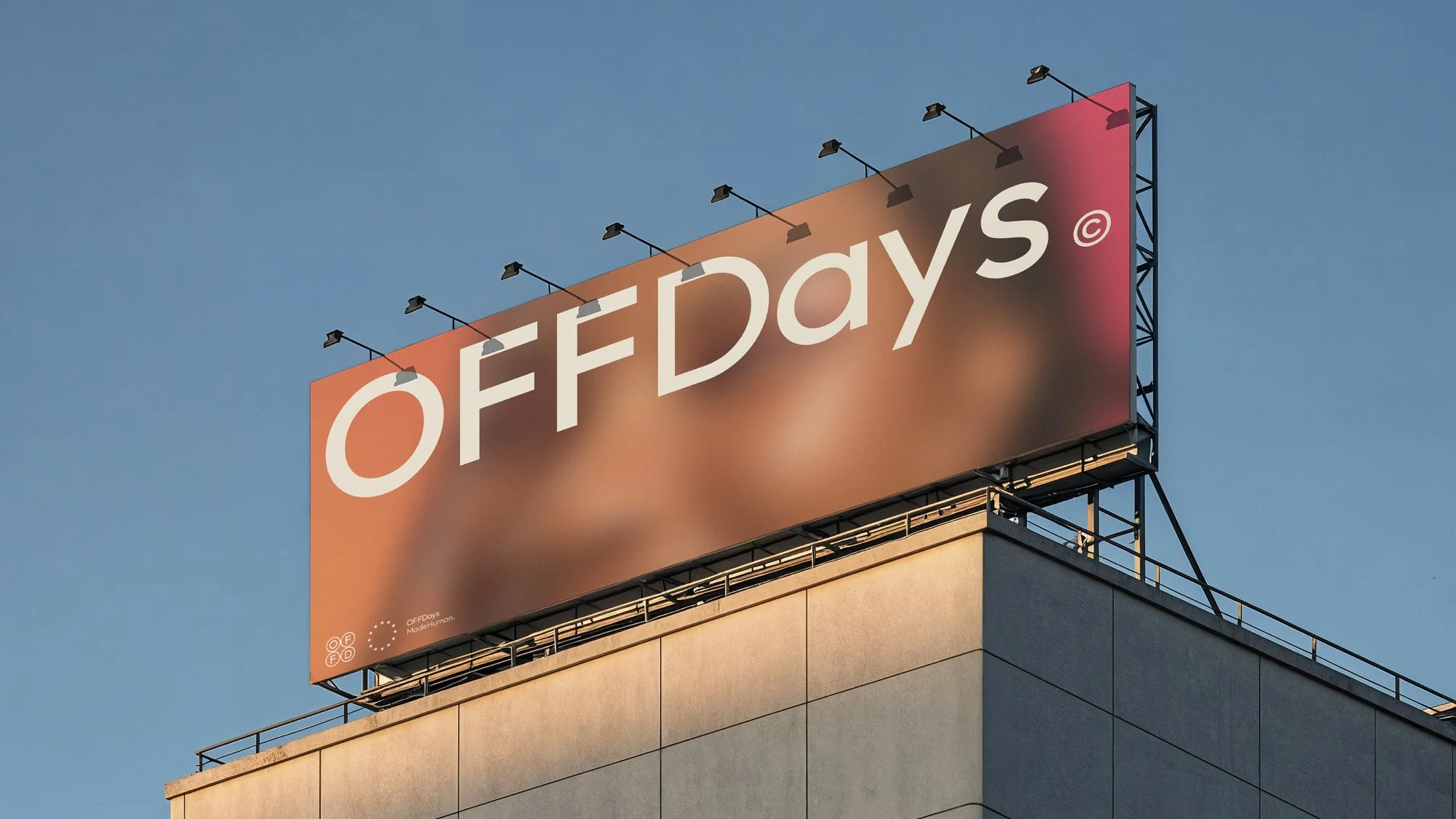
Disagreement can challenge assumptions, encourage exploration and lead to better creative decisions.
When Agreement Isn't Always the Answer
Creative disagreement is often seen as something to avoid. When a project is progressing smoothly and everyone agrees on the direction, it's easy to assume that things are working exactly as they should. But through my experience developing brand identities, I've learned that a certain amount of disagreement can be one of the most valuable parts of the creative process.
When a business approaches a designer, they're investing in more than the ability to create something visually appealing. They're investing in experience, creative judgement and the ability to translate their business into a distinctive identity. Yet it's not uncommon for clients to arrive with a strong idea of what they want, sometimes guiding the design towards personal preferences rather than what might best serve the brand. Finding the balance between listening and leading is one of the more challenging aspects of working creatively.
I remember a project where the disagreement wasn't necessarily about whether a logo looked good, but about how much the logo needed to communicate. The client wanted something more expressive, with additional elements they felt would make the identity distinctive. My approach was almost the opposite. I believed a simpler mark would provide a stronger foundation, allowing the character to emerge through the wider visual identity.
Rather than immediately making the requested changes, I continued exploring the direction and presented the thinking behind it. By demonstrating how the identity could work across different applications, the conversation moved beyond individual preferences towards understanding the potential of the complete system.
We eventually found a direction that worked, but the experience reinforced an important lesson. Agreeing with every piece of feedback doesn't necessarily make you a better designer. Equally, defending every decision simply because it's your own doesn't make the work stronger.
I've made the mistake of agreeing to changes I didn't believe in, sometimes because I wanted to keep a project moving. It rarely leads to a satisfying result. You can finish the work, but knowing you've compromised an important creative decision can leave you questioning the final outcome.
Sometimes the most valuable contribution a designer can make is knowing when to disagree.

Strong creative relationships are built on trust and a willingness to challenge each other's ideas.
The Value of an Honest Conversation
One of the first lessons I learned while working in a branding studio in 2020 was never to become too attached to a logo. It's advice that has stayed with me throughout my career.
Creative work requires personal investment, but becoming emotionally attached to an idea can make it difficult to recognise when something isn't working. A concept might be visually impressive, beautifully executed or personally meaningful, but that doesn't automatically make it the right solution for the business. I've experienced situations where clients challenged directions I strongly believed in, only for the additional exploration to produce something considerably better. Those experiences are an important reminder that creative judgement works both ways. A client understands their business, its audience and its ambitions in ways a designer might not immediately recognise.
The challenge is creating an environment where both perspectives can contribute to the outcome.
For me, that begins with how the work is presented. I've learned that showing a logo in isolation rarely communicates the full potential of an identity. Instead, I develop each creative direction through typography, imagery, graphic elements and realistic applications. From signage and stationery to digital platforms and social media, these examples help clients understand how a concept might function beyond the initial presentation.
This creates a more informed conversation. Rather than discussing whether someone simply likes a particular logo, we can examine how effectively the identity communicates the business, supports its ambitions and performs across different environments.
Trust is essential throughout that process. As a designer, I need the confidence to explain and defend decisions when I believe they're right. But I also need the willingness to question those decisions when a client offers a different perspective. Ultimately, the strongest outcome isn't about proving who was right. It's about recognising that both sides bring valuable knowledge to the project and using that understanding to develop something better.
Good collaboration doesn't mean always agreeing. It means having the confidence to challenge an idea, the openness to listen and a shared commitment to finding the strongest solution.
